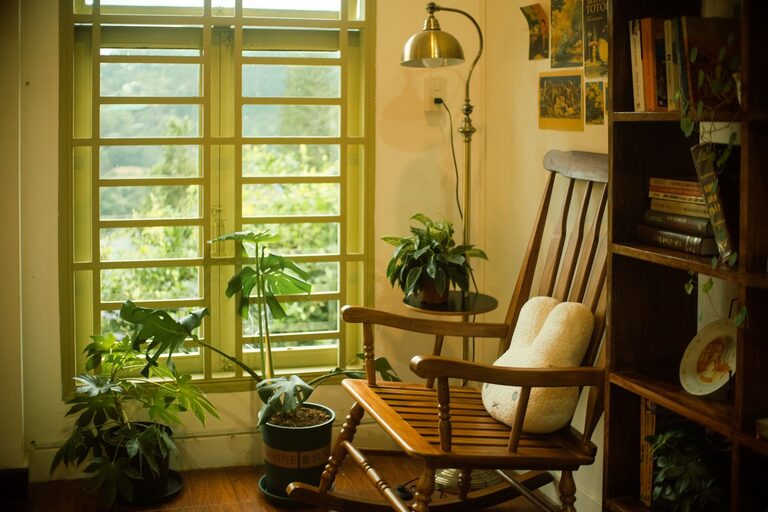
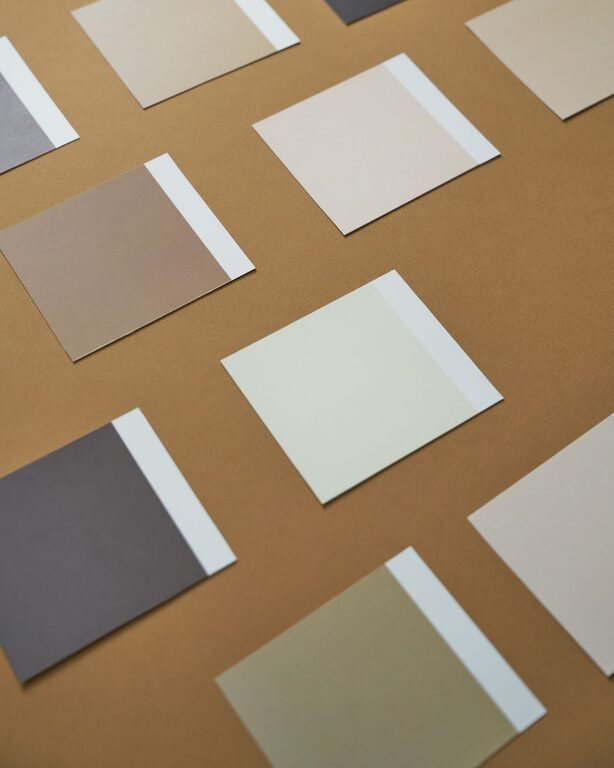
Creating a calm and peaceful atmosphere in your home can greatly enhance your comfort and well-being. One powerful way to achieve this is by choosing the right colors for your walls, furniture, and accessories. Calm colors have the ability to soothe your mind, reduce stress, and make your living space feel inviting and balanced. If you’re thinking about updating your home or simply want to refresh your color scheme, this guide will help you select calm colors that work well in any room.
Why Choose Calm Colors for Your Home?
Colors affect our mood and emotions more than many people realize. Bright, intense colors might energize a room, but calm colors encourage relaxation. These colors can create an environment that feels safe and nurturing, which is perfect for bedrooms, living rooms, and even kitchens.
Calm colors also tend to be more versatile and timeless. They work well with many design styles, from modern to traditional, and they complement a wide range of furniture and decor choices.
Understanding Calm Colors
Calm colors often include softer, muted shades that don’t overwhelm the senses. Here are some common categories of calm colors:
– Neutrals: Soft whites, beiges, grays, and taupes create a neutral backdrop that feels peaceful and clean.
– Cool Colors: Shades of blue, green, and lavender are known for their calming effects and ability to promote relaxation.
– Pastels: Light versions of almost any color, especially pastels, can soften a room’s look and contribute to a calm vibe.
Tips for Choosing Calm Colors
1. Consider the Room’s Purpose
Think about how each room will be used. Bedrooms benefit from soothing blues and greens that help with sleep. Living rooms might work well with warm neutrals or soft pastels that invite conversation. Home offices may require slightly brighter but still gentle hues to keep you focused without feeling stressed.
2. Test Colors in Different Lighting
Lighting can change how a color appears. Natural light, artificial light, and the time of day can all affect the shade on your walls. Always test paint samples on your walls and observe them at different times before making a final decision.
3. Use Color Psychology as a Guide
While personal preference is key, understanding basic color psychology can inform your choices:
– Blue: Encourages calmness and trust, ideal for bedrooms and bathrooms.
– Green: Represents nature and balance, great for living areas.
– Lavender: A gentle purple that promotes tranquility.
– Soft Gray: Neutral and sophisticated, creates a sense of relaxation.
– Warm Beige: Cozy and inviting, perfect for communal spaces.
4. Balance with Neutrals
Pair your calm colors with neutral tones to prevent the space from feeling too dull or washed out. Neutrals help other colors stand out while maintaining an overall peaceful vibe.
5. Incorporate Natural Elements
Colors inspired by nature tend to feel calming because they remind us of the outdoors. Consider earth tones like soft greens, browns, and blues in various shades to bring a natural, serene feel to your interior.
6. Don’t Forget Texture and Finish
The texture and paint finish affect how colors are perceived. Matte or eggshell finishes tend to enhance calmness by reducing shine and glare. Adding textured fabrics, rugs, and cushions in coordinating calm colors can further soften the room.
Popular Calm Color Palettes for Inspiration
Here are a few calm palettes that are popular choices for peaceful homes:
Coastal Calm
– Pale blue walls
– Soft sandy beige accents
– White trim and furnishings
Soft Pastel Retreat
– Lavender walls
– Blush pink accessories
– Creamy white furniture
Earthy Neutral
– Warm taupe walls
– Olive green plants and decor
– Soft ivory furnishings
Serene Greens
– Sage green walls
– Light beige or gray accents
– Natural wood furniture
Practical Steps to Start Your Color Transformation
– Gather inspiration from magazines, online platforms, or home tours.
– Collect paint samples or swatches and try them on different walls.
– Buy small paint cans first to test before committing to larger quantities.
– Use accessories like pillows or curtains to introduce calm colors before painting.
– Consult with a professional designer if you feel unsure about your choices.
Final Thoughts
Choosing calm colors for your home is a wonderful way to create a peaceful retreat that supports relaxation and well-being. By considering your room’s purpose, testing shades in various lights, and using nature-inspired tones, you can design a space that feels balanced and welcoming. Remember, the best calm colors are the ones that make you feel at ease every time you walk into the room. Happy decorating!