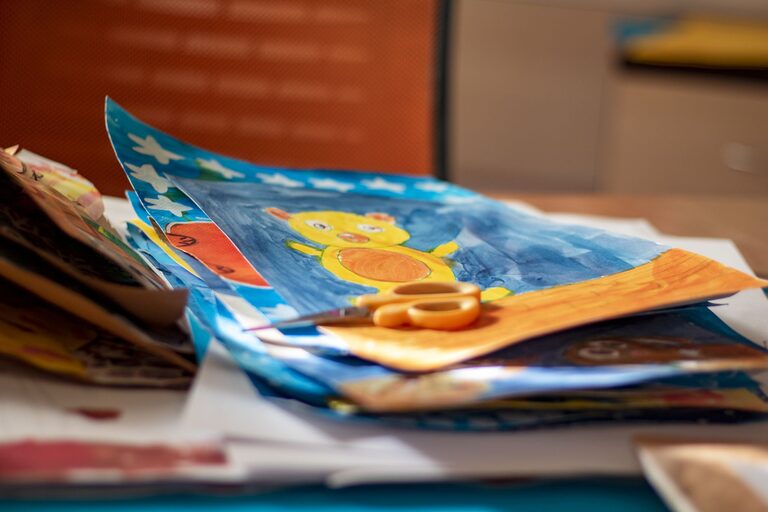
Children’s artwork is a wonderful way to celebrate their creativity and growth. However, as the masterpieces pile up, it can quickly become overwhelming to keep everything organized and clutter-free. Finding a balance between preserving these precious creations and maintaining a tidy home is key. This post shares practical tips to help you organize your kids’ art effectively while encouraging their artistic spirit.
Why Organizing Kids’ Art Matters
Before diving into the tips, it’s helpful to understand why organizing kids’ artwork is important:
– Preserves Memories: Artwork captures moments in your child’s development and imagination.
– Reduces Clutter: Without an organized system, art piles can overwhelm spaces.
– Boosts Appreciation: Displaying and organizing art shows your child that their creativity is valued.
– Eases Decision-Making: Having a system helps you decide what to keep, share, or recycle.
1. Create a Dedicated Art Space
Designate an area in your home for art projects and storage. This can be a corner of a room, a shelf, or a drawer. When children know where their art goes, it encourages responsibility and helps contain messes.
– Use labeled bins or baskets for supplies and finished pieces.
– Include a small bulletin board or magnetic strip to display current favorites.
2. Use Display Methods That Rotate Artwork
Displaying art boosts your child’s confidence but rotating it keeps clutter down.
Popular Display Ideas:
– Gallery Wall: Use clipboards, frames, or strings with clothespins to easily swap pieces.
– Digital Frames: Scan or photograph artwork and display them in a slideshow on a digital photo frame.
– Art Wire: Hang a wire or rope across a wall and attach artwork with clips for a casual gallery.
Rotate displayed art every few weeks to keep the space fresh and manageable.
3. Organize with Portfolios or Binders
Using portfolios or binders helps keep flat artwork neat and accessible.
– Purchase large art portfolios or create your own with oversized binders and plastic sheet protectors.
– Label each portfolio by year or child.
– Let kids help choose which pieces to save in their portfolio.
This method works well for drawings and paintings, keeping them protected and easy to flip through.
4. Digital Archiving: Preserve Without the Pile-Up
If physical storage is limited, consider digitizing your child’s work.
– Take photos or scan artwork regularly.
– Organize images by date or theme in folders on your computer or cloud storage.
– Use apps designed for saving kids’ art to create digital galleries or photo books.
Digital copies make for great gifts and keepsakes without occupying physical space.
5. Repurpose Art Into Useful Items
Transforming art into other objects gives it new life and prevents clutter.
Ideas include:
– Laminating drawings to create placemats.
– Printing art onto mugs, t-shirts, or calendars.
– Cutting artwork into gift tags or greeting cards.
These creative projects can also be fun family activities.
6. Set Regular Review Sessions
Schedule time every few months to go through accumulated artwork with your child.
– Decide together what to keep, gift, or discard.
– Encourage your child to talk about their favorite pieces.
– Use this opportunity to tidy up and update your storage or display areas.
Regular reviews prevent the buildup from becoming unmanageable.
7. Encourage Selectivity and Prioritization
Teaching kids to choose their favorite pieces helps them value quality over quantity.
– Explain that not every doodle needs saving.
– Emphasize the importance of their best or most meaningful creations.
– Celebrate their choices to build decision-making skills.
This approach nurtures organization habits early on.
8. Store 3D Art Thoughtfully
Sculptures, crafts, and other three-dimensional projects can be trickier to organize.
– Use clear storage bins labeled by child or year.
– Display items on shelves with limited space to highlight special pieces.
– Consider photographing bulky projects before recycling if keeping them isn’t feasible.
Balance between display and storage keeps your home functional and your child’s work respected.
Final Thoughts
Organizing kids’ artwork doesn’t have to be stressful. With a little planning and creativity, you can create systems that honor your child’s artistic efforts and keep your space neat. Remember, the goal is to celebrate creativity while fostering organization skills that will benefit your children for years to come.
Try implementing one or two of these tips and adjust based on what works best for your family. Happy organizing!